

When specifying 7075 aluminum, thickness is not just a line on a purchase order. It directly influences static strength, buckling resistance, fatigue behavior, distortion risk during machining, and even how predictable your heat treated properties will be across the cross section.
7075 is a high strength Al Zn Mg Cu alloy widely used for structural parts. In common tempers such as T6 and T651, it is valued for a strong strength to weight ratio, but thicker sections can behave differently than thinner ones during quenching and stress relief. For bulk procurement, the practical question is usually not what one thickness can do, but which thickness range delivers stable yield across a full lot, with manageable scrap, lead time, and inspection workload.
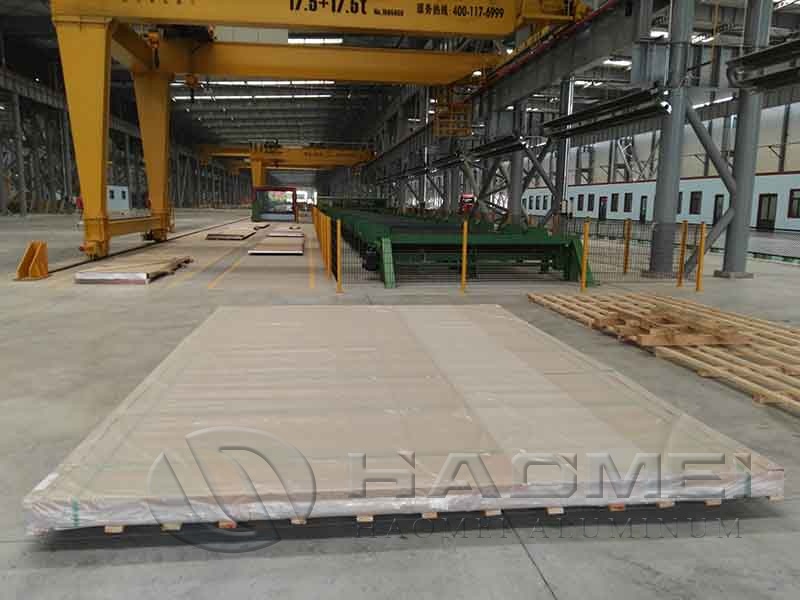
Suppliers may describe 7075 as sheet or plate depending on thickness and local standards, but in purchasing practice the boundary is less important than the application, tolerance needs, and required temper. The table below uses typical ordering language to help align thickness selection with downstream processes.
| Thickness range | Typical ordering form | Best fit applications | Operational notes for bulk orders |
|---|---|---|---|
| 0.5 mm to 6 mm | Sheet | Skins, brackets, light structural parts, formed components | Thin material is more sensitive to surface defects and handling marks. Confirm protective film, surface finish, and allowable waviness. |
| 6 mm to 25 mm | Plate | Milled parts, tooling plates, fixtures, base plates | A common sweet spot for CNC shops. Request stress relieved temper when distortion control matters. |
| 25 mm to 100 mm | Thick plate | High load structural blocks, heavy machining billets, molds | Higher likelihood of internal residual stress and property gradients. Specify ultrasonic testing if required by your industry. |
| 100 mm and above | Extra thick plate | Large monolithic parts, aerospace and defense blocks | Lead time, mill availability, and inspection requirements increase. Plan for additional machining allowance and potential scalping. |
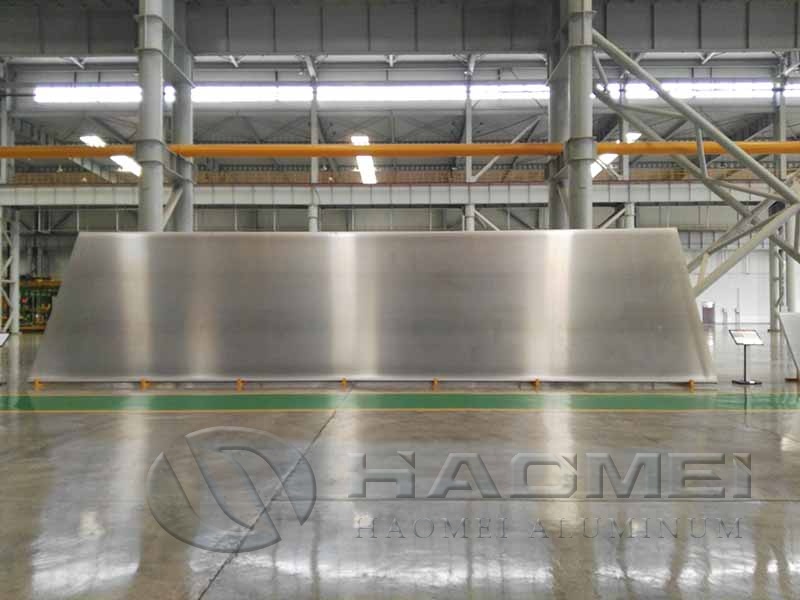
In 7075, T6 typically indicates solution heat treated and artificially aged. T651 adds stress relieving by stretching, which helps reduce machining distortion. As thickness increases, residual stress and quench related gradients can become more pronounced, so T651 is frequently preferred for heavy milling.
If you are sourcing plate for precision machining, confirm the temper on the mill test certificate and align it with your flatness and distortion expectations. If the order is tied to aerospace or critical structural use, your engineering standard may also specify property minimums, inspection methods, and traceability requirements.
If you are comparing alternatives within the same family, the broader context of 7xxx aluminum grades can help you balance strength, toughness, and stress corrosion cracking resistance across thickness ranges.
Bulk orders succeed when the PO captures functional intent, not only nominal dimensions. The checklist and table below are written to reduce back and forth with mills and service centers.
Nominal thickness and tolerance class, in mm or inch, but not both.
Temper, such as T6 or T651, and whether stress relief is mandatory.
Dimensional format, including width and length tolerances, squareness, and edge condition.
Flatness requirement, if your process needs it.
Surface finish, protective film, and maximum allowable cosmetic defects.
Inspection and documentation, including certificate of conformance, mill test report, and any required NDT.
| Requirement | Why it matters | What to write on the PO |
|---|---|---|
| Thickness tolerance | Drives fit, weight, and machining allowance | Nominal thickness plus allowable deviation, and reference standard if applicable |
| Flatness | Impacts CNC datum setup and scrap risk | Flatness limit per unit length, and inspection method |
| Machining allowance | Prevents undersize after scalping or facing | Add a defined extra stock amount per face |
| Stress relief | Reduces distortion after material removal | Specify T651 or equivalent stress relieved condition |
| Lot traceability | Essential for regulated sectors | Heat number traceability and documentation per lot |
For customers ordering pre qualified aerospace stock, aligning with a dedicated product spec such as 7075 Aircraft Aluminum Sheet Plate can simplify communication on temper, certification, and typical inspection expectations.
If you are chasing tight flatness or minimal warp after milling, prioritize stress relieved plate and build in machining allowance. Thicker material often benefits most from this approach.
If your design allows, standard mill sizes usually offer faster lead times and better pricing than custom cut dimensions.
If your parts are fatigue sensitive, keep the surface condition in mind. Thicker sections may invite heavier machining, which can either improve or harm fatigue performance depending on surface finish and tool marks.
For very thick sections, discuss testing and acceptance criteria early. Some applications require ultrasonic testing to verify internal soundness.
Is thicker always stronger. Strength properties are reported as stress, not total load capacity. A thicker part can carry more load because it has more cross sectional area, but the material strength values may not increase, and can vary with thickness due to heat treatment effects.
Why does cost rise sharply at higher thickness. Extra thick plate can have limited mill availability, longer heat treat cycles, higher rejection risk, and more demanding inspection, all of which influence pricing and lead time.
How much thickness should I add for machining. It depends on flatness, edge condition, and whether you will face both sides. Many shops add stock on each face to remove scale and reach final flatness, but the correct amount should be tied to your process capability and tolerance stack.
Does temper selection depend on thickness. Often yes. Thin material may be primarily formed or lightly machined, while thick plate is frequently heavily milled, where stress relief and stability become more valuable.
Original Source:https://www.aircraftaluminium.com/a/7075-aluminum-plate-thickness.html
Tags: 7075 plate gauge , thick aluminum plate ,
Contact Us