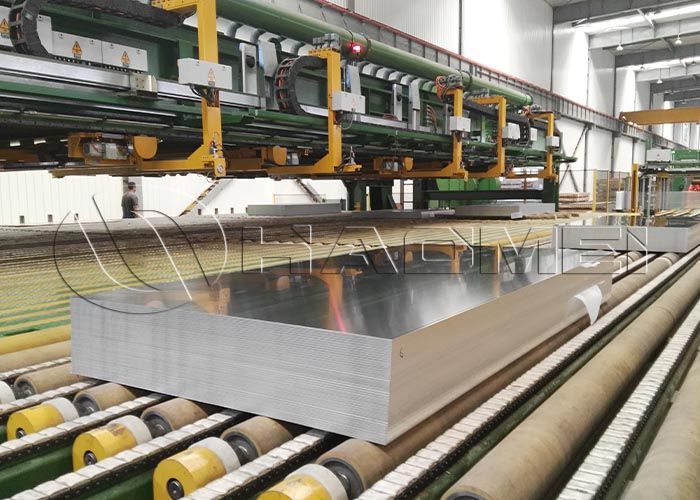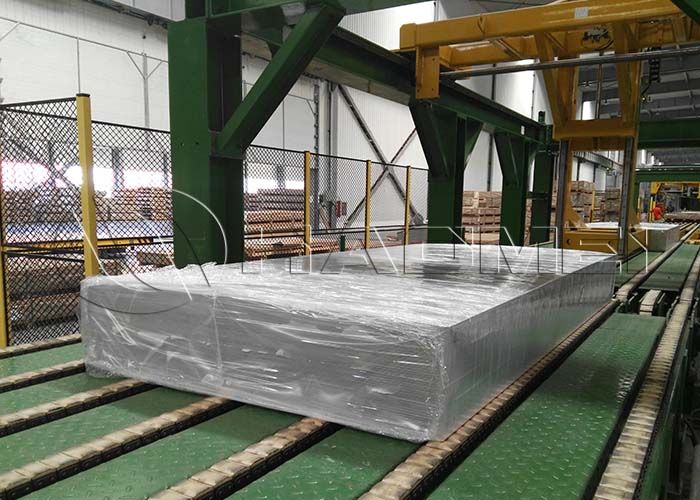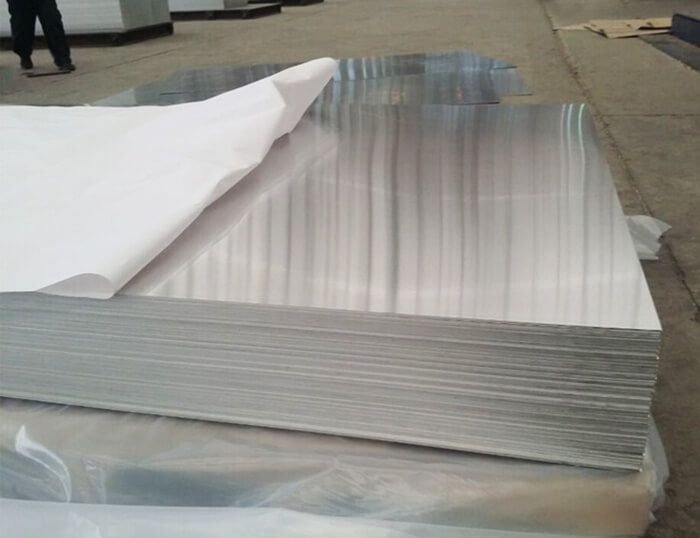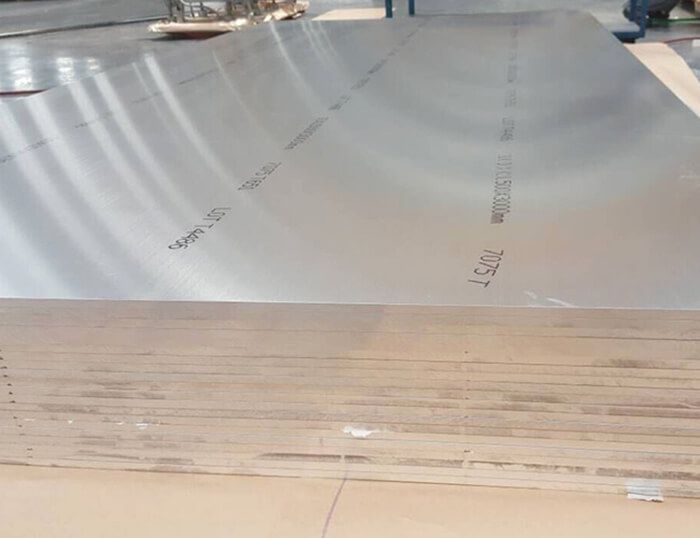


Bulk programs for thick plate demand an alloy that can carry high loads, machine cleanly, and deliver repeatable properties from surface to core. 7075 is a heat treatable Al Zn Mg Cu alloy widely specified in aviation and defense because it provides an excellent strength to weight balance compared with many other aluminum grades. For procurement teams sourcing heavy gauge plate, the focus is usually less on brochure strength numbers and more on through thickness performance, quench sensitivity, stability during machining, and lot to lot consistency.
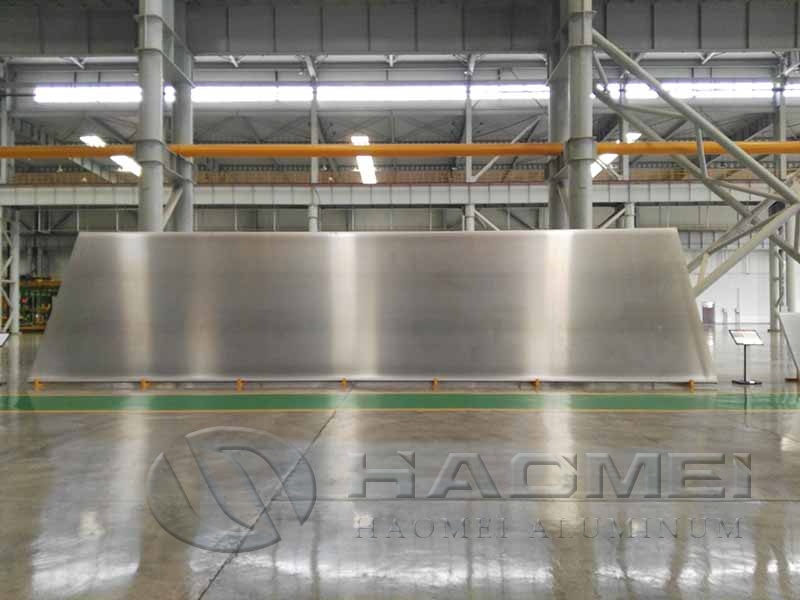
7075 gained its reputation by enabling lighter primary and secondary structures without switching to steel or titanium in every location. In thick sections, it is commonly chosen where designers need high tensile strength and good fatigue performance at room temperature, with machinability that supports complex pockets, ribs, and tight tolerance parts.
In airplane manufacturing, thick plate is frequently converted into:
Because this alloy family includes multiple high strength options, spec writers also compare it to other 7xxx series solutions. When higher toughness or improved stress corrosion cracking resistance is prioritized, teams often evaluate alternates such as 7050 Aircraft Aluminum Alloy, especially for thicker gauges and critical structure.
The mechanical performance of this alloy depends heavily on temper. For thick plate and machined parts, the most referenced tempers include T6 and T651. T6 is solution heat treated and artificially aged. T651 adds stress relief by stretching to reduce residual stress and improve dimensional stability during machining.
Below is a practical view of what bulk buyers typically verify on purchase orders and incoming inspection. Values depend on thickness and applicable standards, so always confirm against the governing specification and mill test report.
| Item to Specify for Thick Plate | Why It Matters in Production | Typical Notes |
|---|---|---|
| Temper, e.g., T6 or T651 | Drives strength level and residual stress state | T651 is common for machined plate parts |
| Thickness range and tolerance | Affects properties, flatness, and machining allowance | Thicker sections can be more quench sensitive |
| Ultrasonic testing level | Controls internal discontinuities in heavy plate | Often required for aerospace critical parts |
| Grain direction identification | Supports correct part orientation for fatigue and fracture performance | Mark rolling direction on each plate |
| Certification and traceability | Ensures lot control and compliance | Heat number, MTR, and conformance documents |
In thick sections, two additional topics are frequently discussed with manufacturing engineers:
Residual stress and distortion. Even with stress relieved tempers, heavy plate can move during heavy material removal. Planning the machining strategy, fixturing, and intermediate stress relief where appropriate can protect final tolerances.
Corrosion behavior and environment. This alloy is not usually selected for high temperature service, and it may require surface protection depending on service environment and design allowables. Many aircraft parts use cladding, anodizing, primer plus topcoat, or other qualified finishing routes specified by the airframer.
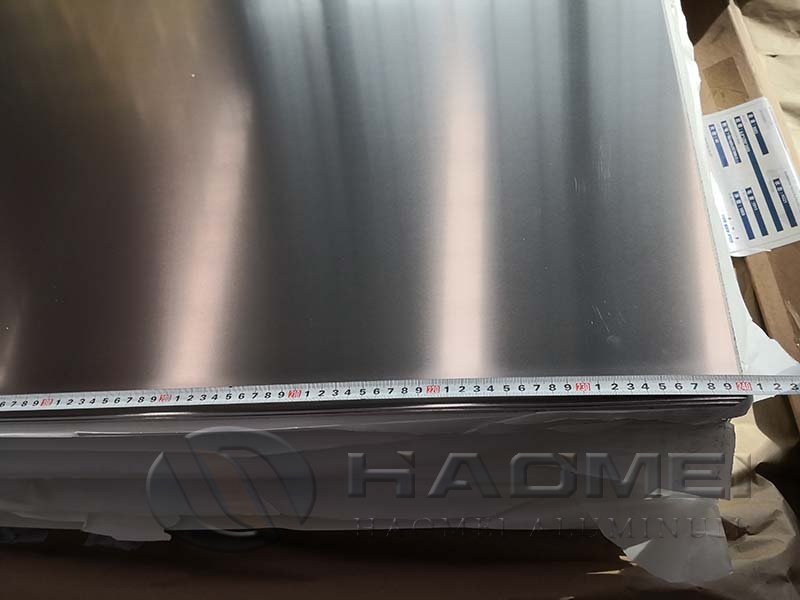
For bulk orders, the goal is to receive plate that machines consistently across the entire batch. Practical ordering details help reduce variability between heats and minimize shop floor interruptions.
Recommended ordering details to include
Machining and fabrication considerations
If your program includes a range of aerospace grades and thicknesses, it can be useful to align procurement across the broader family. For example, consolidating specifications across 7xxx aluminum plate products can streamline documentation, inspection plans, and inventory management while still matching each component to its performance requirements.
Common quality checks upon receipt
For thick aircraft structures and high precision machined parts, this alloy remains a workhorse choice because it combines high strength, reliable machinability, and broad industry familiarity. With the right temper, inspection level, and traceability controls, bulk plate supply can support stable production yields and predictable part performance.
Original Source:https://www.aircraftaluminium.com/a/7075-aircraft-aluminum.html
Tags: 7075 aluminum plate , thick aerospace aluminum ,
Contact Us