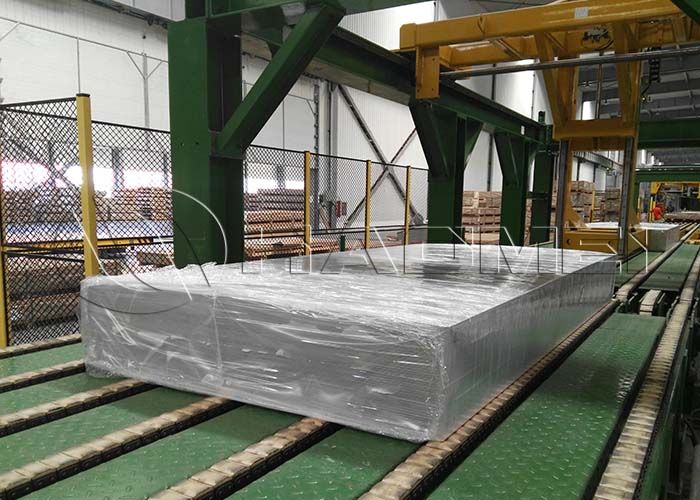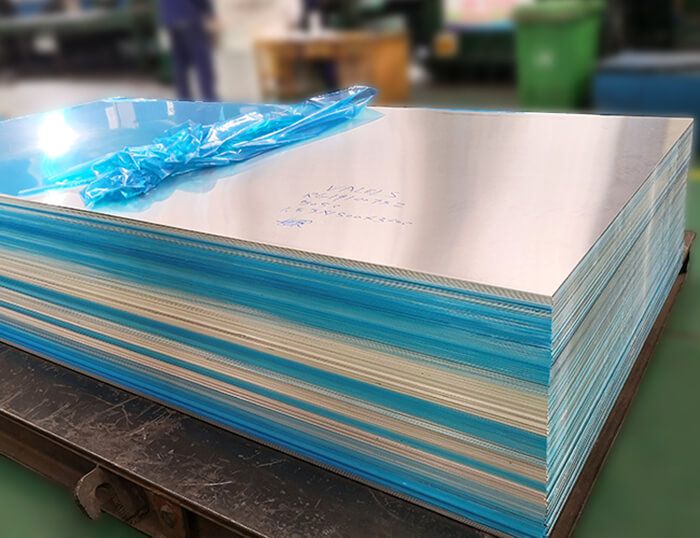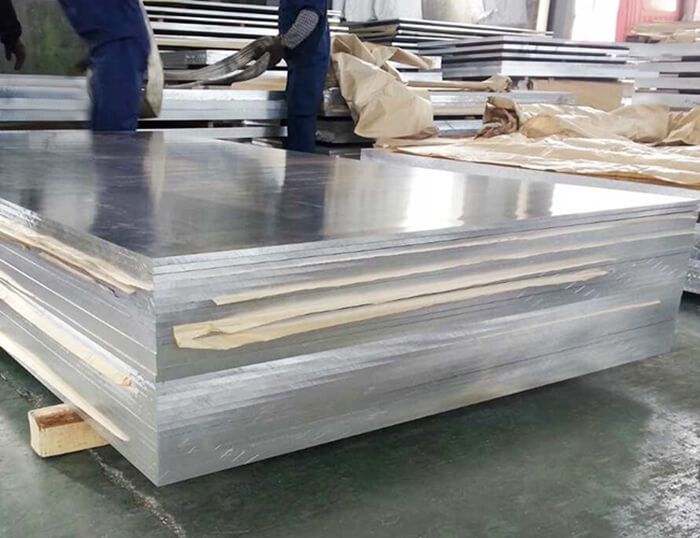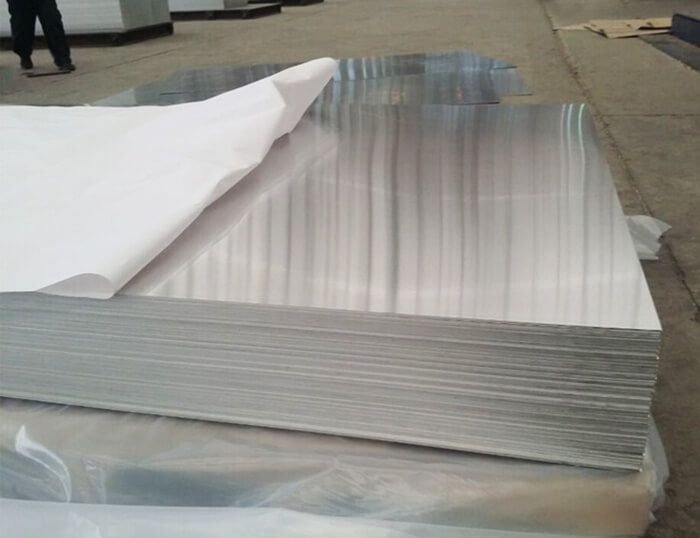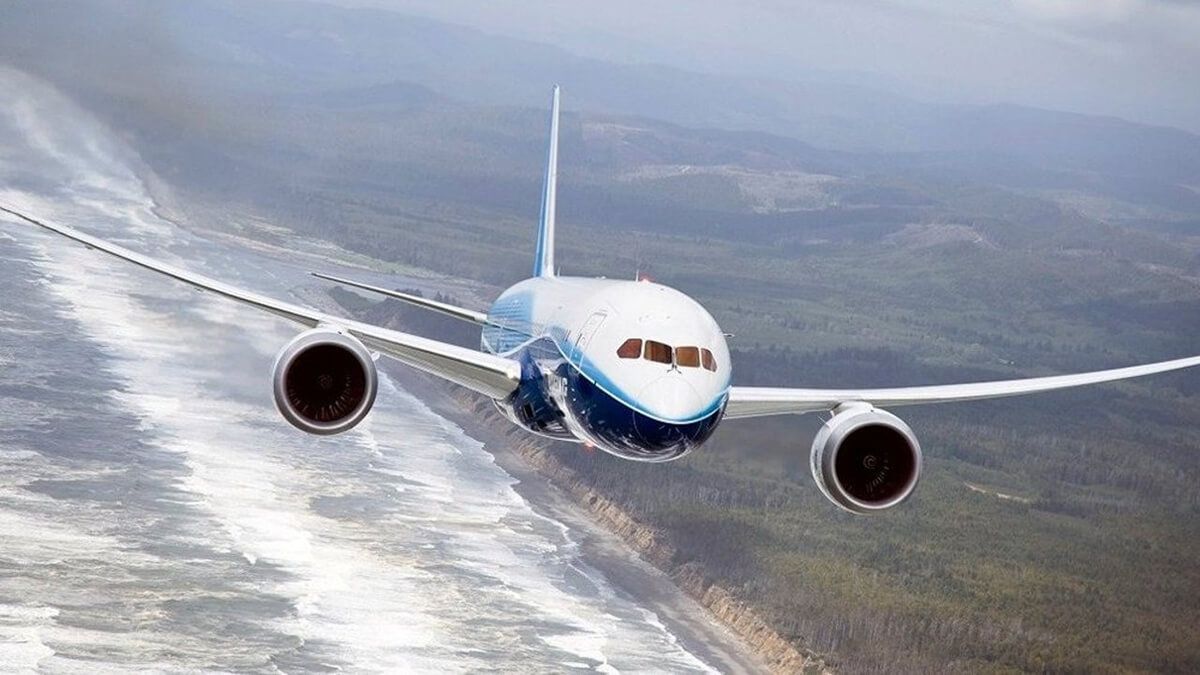


As a "high-strength representative" in the aluminum alloy family, 7075 aluminum plate, with zinc as its main alloying element, has mechanical properties far exceeding those of ordinary aluminum and is widely used in aerospace, precision machinery, high-end molds, and other fields with stringent material requirements.
Anodizing is a process that forms an oxide film on the surface of aluminum through electrolysis. It improves the material's corrosion resistance and wear resistance, and can also impart a rich appearance through coloring. The alloy composition of 7075 aluminum sheet makes it an ideal candidate for anodizing.
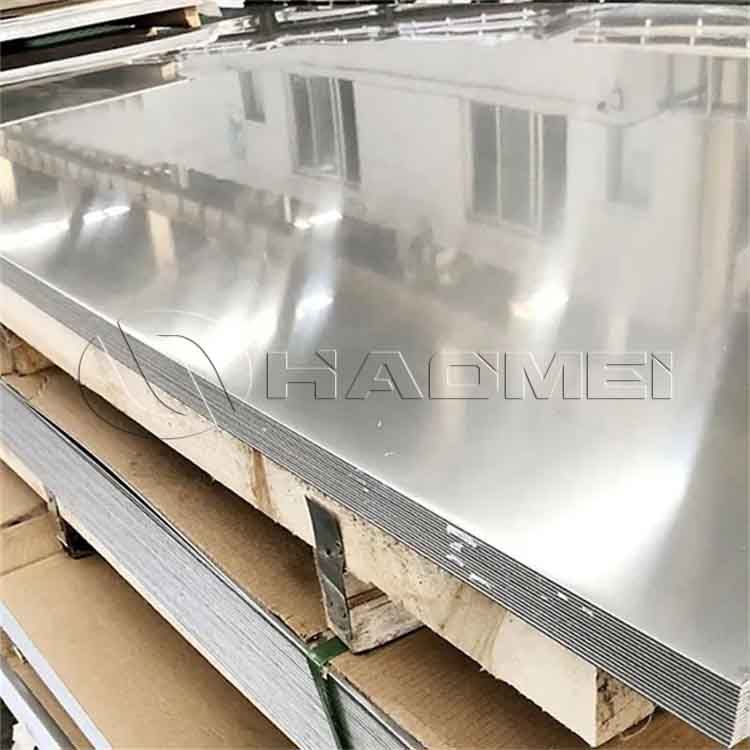
Compared to pure aluminum or low-alloy aluminum, 7075 aluminum sheet has a higher content of alloying elements such as zinc and magnesium. This can affect the formation speed and uniformity of the oxide film to some extent. However, by controlling the process parameters properly, an oxidation effect far exceeding that of ordinary aluminum can be achieved.
Firstly, its oxide film has a higher density—due to the synergistic effect of alloying elements, the Al₂O₃ oxide film formed during electrolysis has a denser structure and lower porosity. This allows the anodizing 7075 aluminum to resist harsher environmental corrosion, such as in humid, salt-spray-prone marine equipment or outdoor precision components, where its corrosion resistance is 5-8 times higher than that of unoxidized plates.
Secondly, the oxide film has extremely strong adhesion. This is thanks to the uniform metallographic structure of the 7075 aluminum plate itself. The oxide film bonds firmly to the substrate, and even under certain impact or friction conditions, it is not prone to peeling or flaking. This is crucial for high-end equipment that needs to maintain its appearance and performance over a long period.
In practical applications, the advantages of anodizing 7075 aluminum plates have been fully verified. An aerospace component manufacturer uses anodized 7075 aluminum sheets to construct internal cabin supports. The black anodized finish not only meets the aesthetic requirements of aerospace interiors, but the surface oxide film also effectively isolates oil and moisture, ensuring structural stability during long-term use.
In the high-end medical device field, naturally anodized 7075 aluminum sheets, with their fine, uniform surface and excellent biocompatibility, have become an ideal material for surgical instrument shells.
It's worth noting that the anodizing process for 7075 aluminum sheets is highly compatible. Whether it's ordinary sulfuric acid anodizing or the more advanced hard anodizing, it adapts smoothly. After hard anodizing, its surface hardness can reach HV300 or higher, comparable to some steels, further expanding its application boundaries.
When it comes to high-strength aluminum, many people instinctively think of it as "overly rigid but lacking in flexibility," prone to cracking during bending. However, the bending performance of 7075 aluminum sheets overturns this perception.
In fact, the bending performance of 7075 aluminum sheet is not "inherently perfect," but rather closely related to its heat treatment state. By appropriately selecting the state and optimizing the bending process, a balance between high strength and bendability can be achieved.
There are many heat treatment states for 7075 aluminum sheet, among which O-state (annealed state) and T6 state (solution-aged state) are the two most widely used, with significant differences in their bending performance.
7075-O aluminum sheet undergoes complete annealing, eliminating internal stress and exhibiting excellent plasticity. The bending radius can be controlled within a small range. For example, a 2mm thick 7075-O aluminum sheet, when bent 90° at room temperature, only needs a bending radius of 1.5 times the sheet thickness to avoid cracking. This good plasticity makes it suitable for components requiring complex forming, such as the housings of precision instruments and connectors with irregular structures.
7075 t6 aluminum sheet is a strengthened state after solution aging treatment, reaching peak strength (tensile strength exceeding 570 MPa). At this stage, its plasticity is relatively low, increasing the difficulty of bending, but it is not completely unbendable.
By preheating (heating the sheet to 120-150℃), selecting suitable bending dies (using dies with smoother rounded transitions), and controlling the bending speed, 7075 t6 aluminum sheet can achieve acceptable bending results. For example, a 1mm thick 7075 t6 aluminum sheet, after preheating, can be bent at 90° with the bending radius controlled to approximately three times the sheet thickness, effectively preventing cracking.
In the automotive parts manufacturing industry, a car company uses bending 7075 aluminum to manufacture battery pack brackets for new energy vehicles, requiring multiple bending processes. By optimizing the bending sequence, technicians first completed the large-radius bends and then handled the small-angle bends, and performed local preheating at the key bending points.
The final bracket not only met the stringent strength requirements of the battery pack (able to withstand the weight of the battery and the impact during driving), but also did not show a significant decrease in the mechanical properties at the bends. Tests showed that the tensile strength of the bends remained above 550MPa.
Original Source:https://www.aircraftaluminium.com/a/7075-aluminum-anodizing-and-bending-performance.html
Tags: 7075 aluminum plate ,
Contact Us